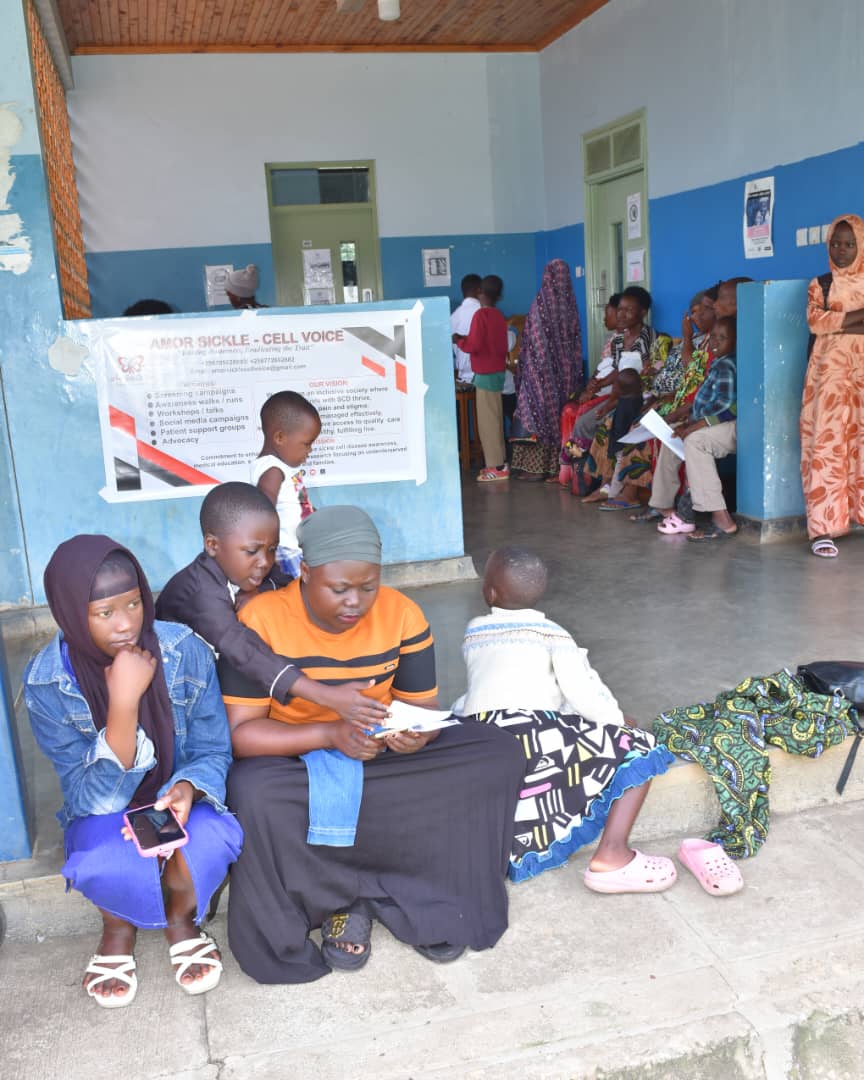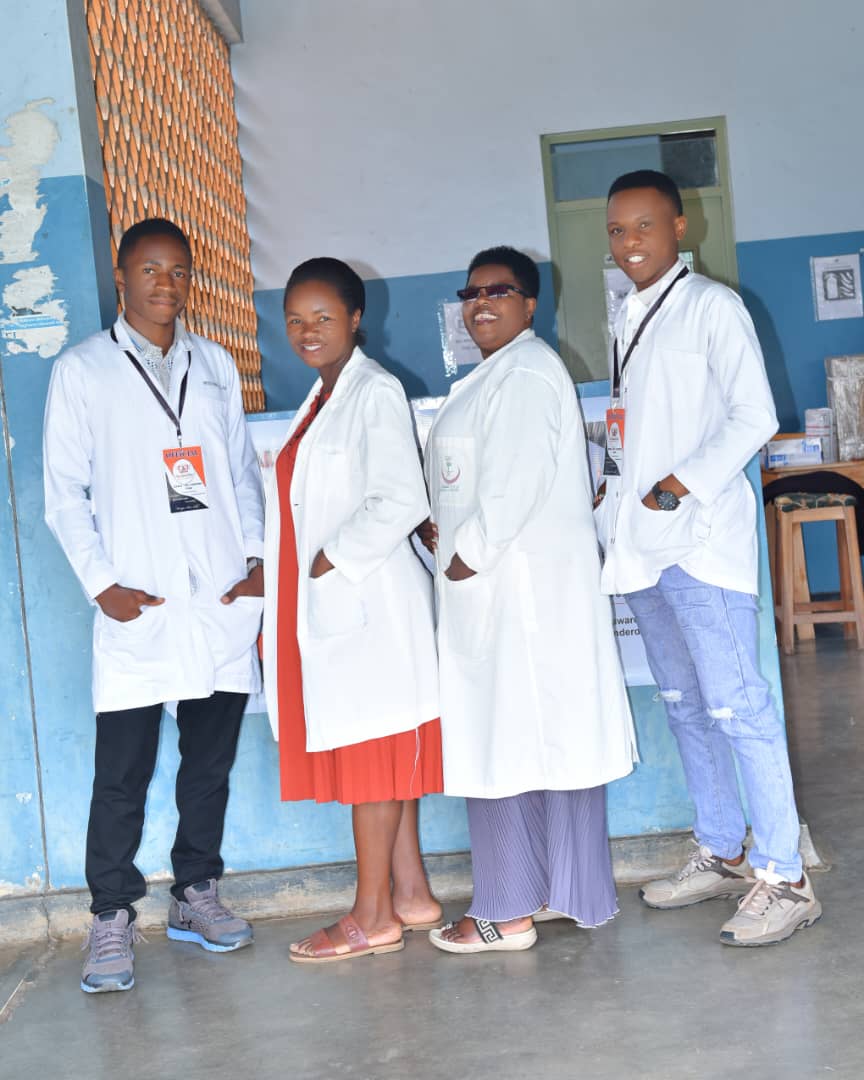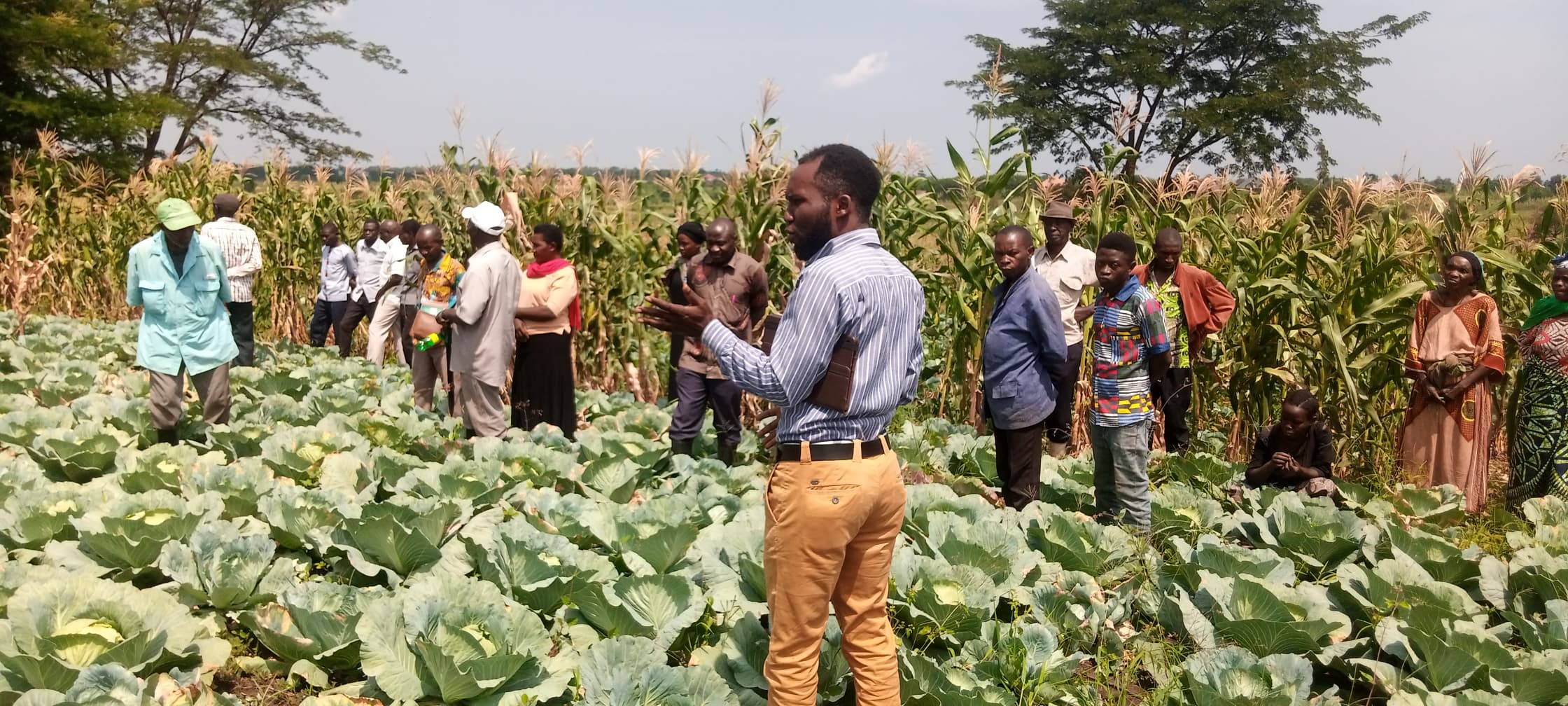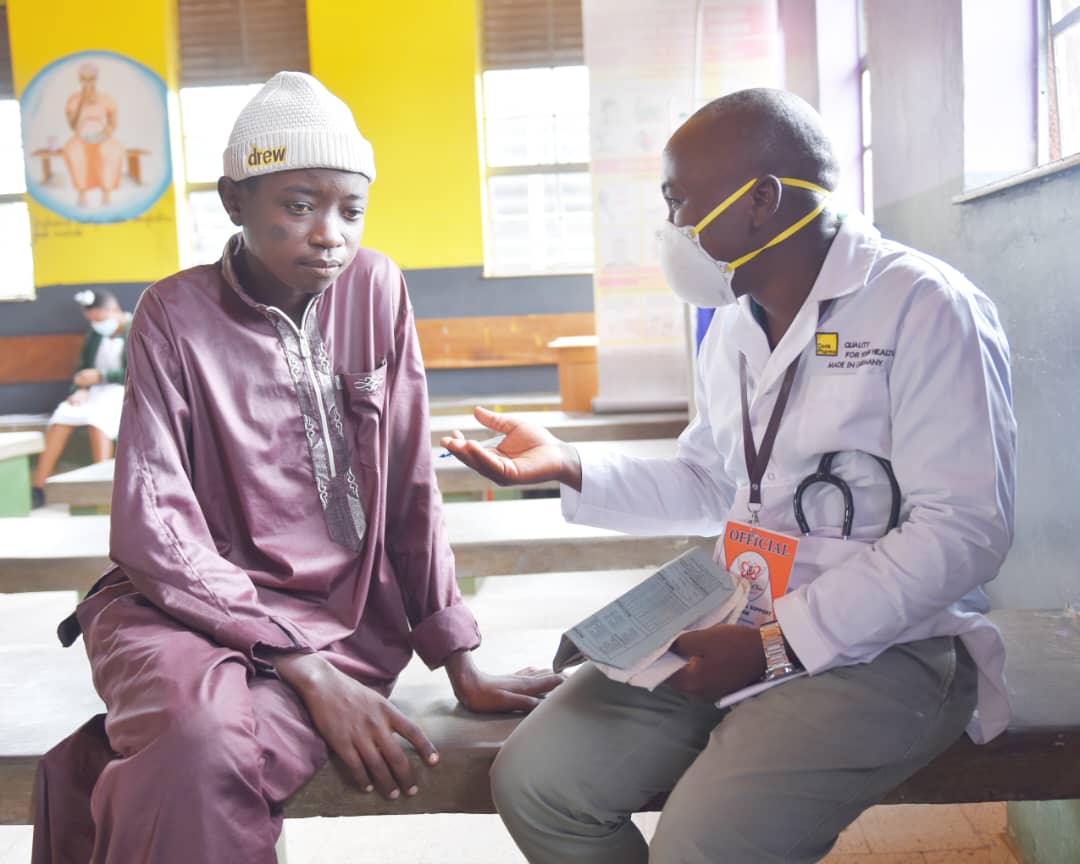
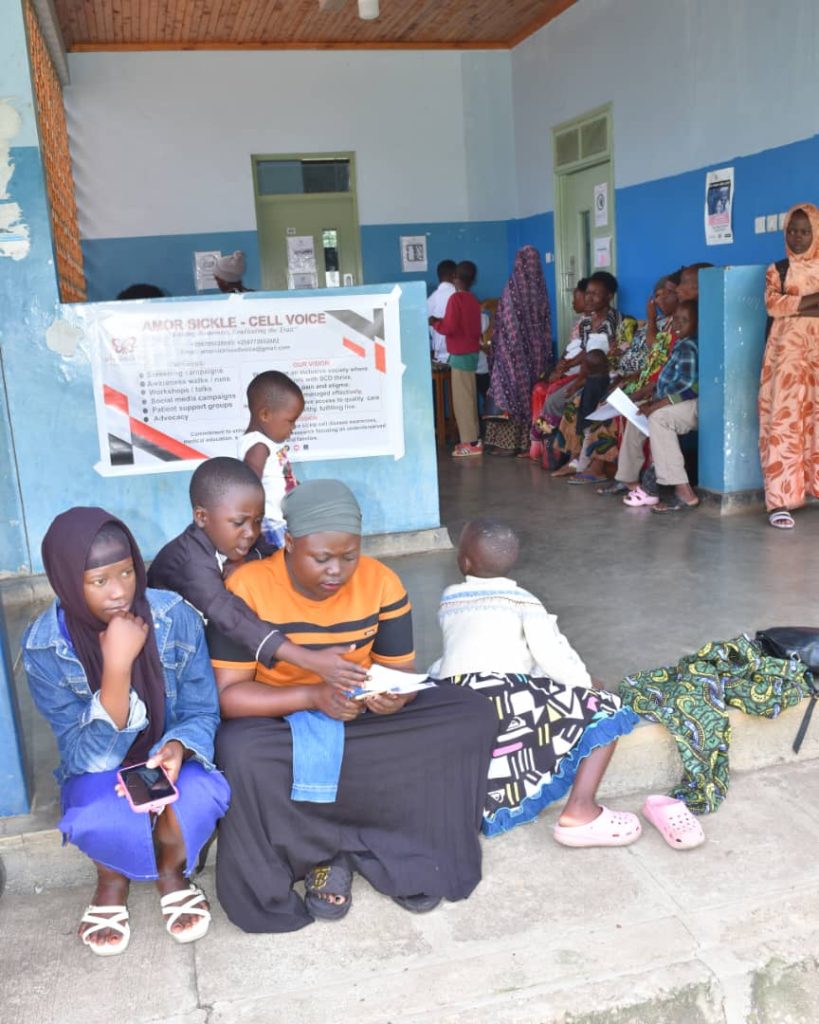
In rural Ugandan communities, caring for children and people especially those living with sickle cell disease and other supplementary physical complications like disability are neglected and yet posing immense psycho-social challenges to family members with poor backgrounds, un-informed and under-trained to navigate complex sickle cell disease detection measures, care and rehabilitation needs.
Thus regarding the continuous baseline fact-findings conducted by ASCV in collaboration with other like-minded partners, there still exists minimal external supportive services in poor rural villages whereby caregivers of sickle cell disease-affected children and elders; still shoulder overwhelming responsibilities for continuity of proper awareness regarding care, accessible diagnosis services, nutrition, therapy, life nurturing skills, financial burdens, and stigma management – hence causing severe stress, isolation, and risks of mental health conditions.
There are no known yet government community outreach initiatives to provide structured counseling, peer-support or respite care that could protect caregivers’-wellbeing and capacity to support children and other people living with sickle cell disease and other complementary disabilities. This has detrimental consequences not only for struggling family units but also for the functional progress and inclusion of vulnerable sickle cell infected young dependents if their caregivers’ bonds are jeopardized.
In the same perspective, in Kasese district equally children especially those in rural poor communities; hardly diagnosed with sickle cell disease face difficulties in accessing essential therapeutic assistive services and structures that would significantly improve their quality of lives and voice out their needs appropriately.
Affected families struggle with financial constraints, making it difficult to afford adequate care, diagnosis, physiotherapy, mobility aids, and inclusive education. Without proper intervention, such children’s life independences are severely limited.
However, integrating person-centered psycho-social interventions for distressed caregivers alongside sickle cell disease-focused family visits proves being effective with ASCV for uplifting the capability to encourage affected child independence in rural low-resource settings.
Therefore, Amor Sickle-Cell Voice comes on board with designed sustainable community-based models and programmatic interventions to assess the impact of family-based Psycho-social support interventions on the health, care, and quality of life of children and youth with sickle cell disease and their caretakers also aiming at uplifting many households through difficult journeys of parenting sickle cell disease infected children.